are class 3 and 4 rapids dangerous
Extreme rapids rarely attempted and maximally dangerous. During high water 1 of the rapids on day 3 is a class IV.

Questions About White Water Rafting Explained Answers From Our Team
Boats will shimmy and jolt with the increased punch of these larger waves but generally the jolt is brief with calmer and wider.

. 1 The scale was created by the American Whitewater Association to evaluate rivers throughout the world hence international in. Advanced Rapids may require must moves above dangerous hazards. Station Creek Class II Mile 07 Double D Class III Mile 18 Haircut Rock Class III Mile 22 Blind Canyon rapid Class II Mile 48.
Currents hydraulics will feel stronger possibly channeling between brief narrow passages such as boulders or a cliff wall. CLASS IV RAPIDS LEVEL 4. Potentially extremely dangerous and there is a great exposure to risk and injury.
Extremely difficult long and very violent rapids with highly congested routes which should be scouted from shore. There are six categories of rapids beginning with Class I Easy rapid and continuing up the scale to the most difficult. Whitewater large waves long rapids rocks maybe a considerable drop sharp maneuvers may be needed.
Experienced paddling skills Class 4. Paddlers should have prior Class IV or better whitewater experience with experienced guides who know the river. So yes Class 4 rapids are indeed difficult and they will take a considerable amount of strength and stamina.
Class III rapids feature waves up to 4 or 5 feet tall that will crash over the bow. White Water Rafting Classes of Rapids. If a picture is worth a 1000 words then a video is worth 10000 words so I wont write too many here.
The answer to this question is in the video below. Scouting may be necessary the first time down. Extremely Difficult Exceedingly difficult long and violent rapids following each other almost without interruption.
Are Class 4 rapids dangerous. Class 4 Rapids are Difficult But Exhilarating. The international scale of river difficulty is an American system used to rate the difficulty of navigating a stretch of river or a single sometimes whitewater rapid.
Rivers with Class I IV water and more difficult Class IV rapids. You will get bounced and rocked and soaked but if you follow the directions of your guide and remember your safety protocols you will have a wonderful time. Class III rapid at Canolfan Tryweryn Wales.
CLASS III RAPIDS LEVEL 3. Class 4 white water rapids are for adventurous beginners to advanced rafters. Each of these levels is an order of magnitude more difficult than the last.
So yes Class 4 rapids are indeed difficult and they will take a considerable amount of strength and stamina. May require significant maneuvering. Between the deep canyons you will experience the great meals and the thrill of the wild whitewater rafting checks most of the boxes of a must-do adventure.
Whitewater rafting can be an amazing experience no matter how difficult the rapids are. Powerful currents and turbulent waves. 4-5 foot waves and drops complicated by difficult passages containing obstacles that require quick precise maneuvering.
Best for those with previous Class III or Class IV experience. High adventure of class V rafting can be found on the Wind. Try river rafting on the Middle Fork American river this summer it has many class 4 rapids mixed in with class 3 all in one of the most beautiful canyon settings in California.
Are class 4 rapids dangerous. EDIT Its actually a quite extensive article and worth a read for anyone. Risk of injury to swimmers is moderate to high and water conditions may make self-rescue difficult.
White water rafting rapid classes were initially created and defined by the American Whitewater Association and are commonly used to label and describe rapids found across the US sometimes internationally. A kayakers life is at risk and it requires caution to make sure that everything goes smoothly. The rapids are the most dangerous areas in a river because they are where things can get out of control quickly.
Falling out of the raft and swimming in a rapid will be difficult. The upper limit of what is possible in a commercial raft. Whitewater medium waves maybe a 35 ft drop but not much considerable danger.
For experts and highly experienced paddlers only. These are the classifications of the rapids on our 8-mile stretch of whitewater rafting on the Snake River according to the American Whitewater. Rescue conditions are difficult and there is a significant hazard to life in the event of a mishap.
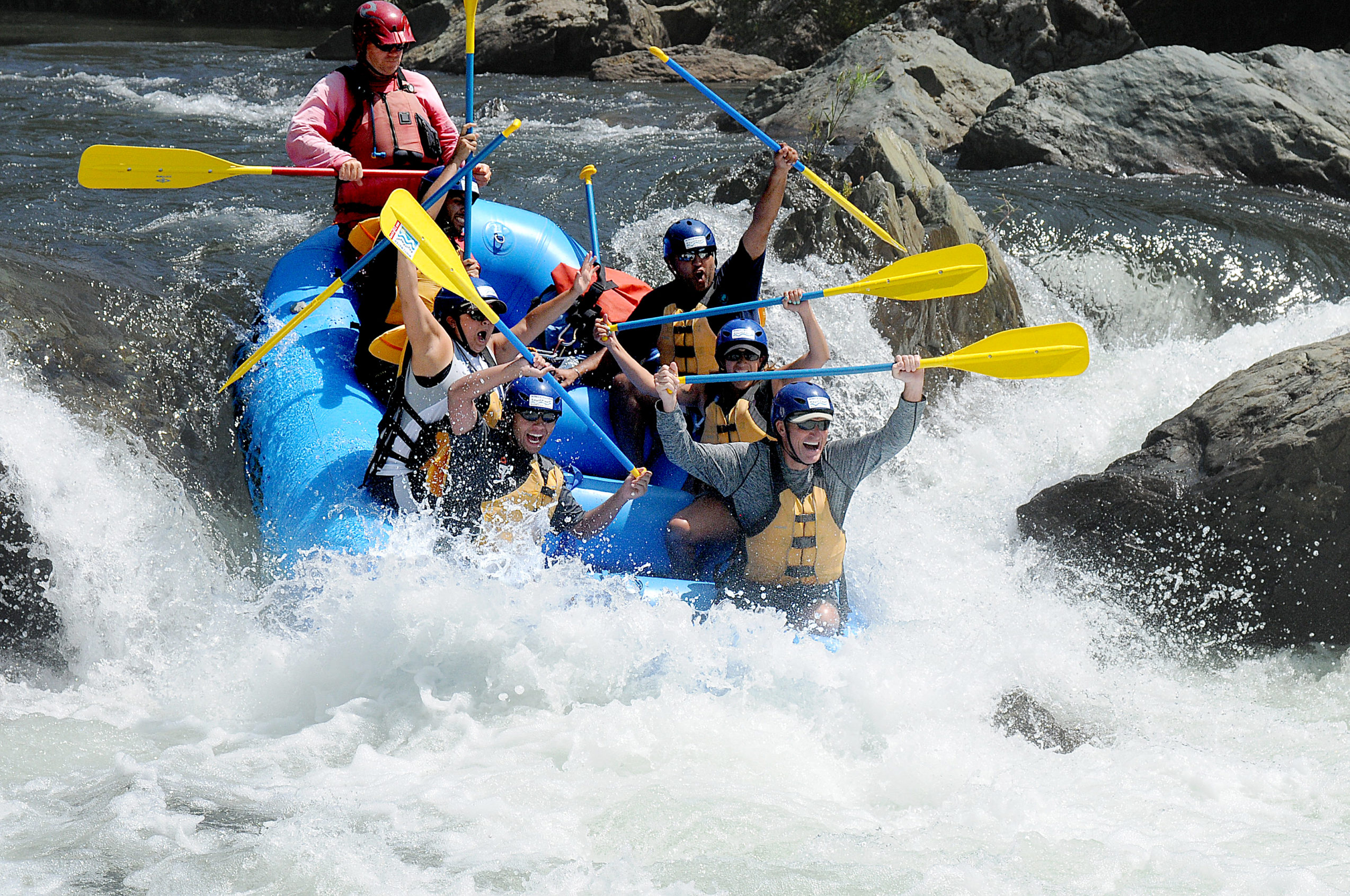
What To Expect When Class 4 White Water Rafting
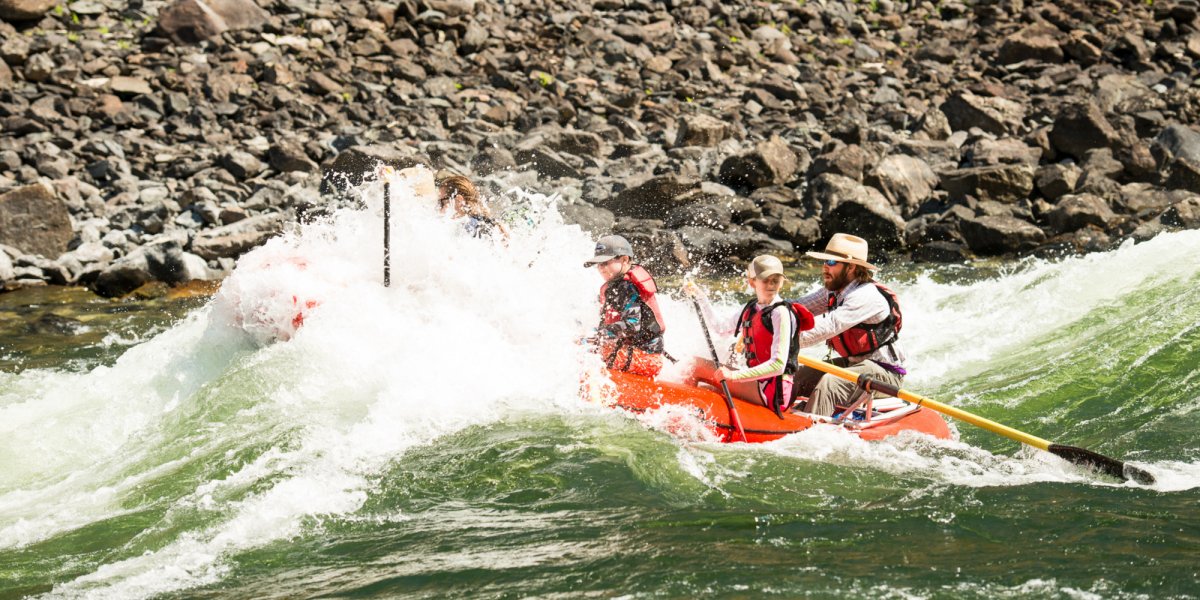
Whitewater Classifications Explained Row Adventures
5 Tips For White Water Rafting With Kids American Adventure Expeditions

Guide To The Classification Of River Rapids Kayaks Rafting And Canoes

Whitewater Rafting Rapid Classes Demystified Youtube
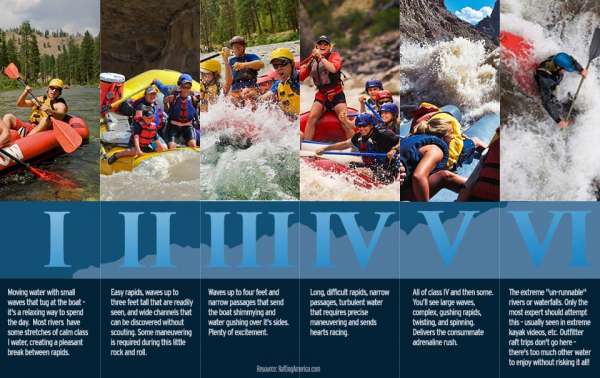
Understanding Whitewater Classifications

Class Iii Rapids Fun Class Vi Rapids Death The Active Times
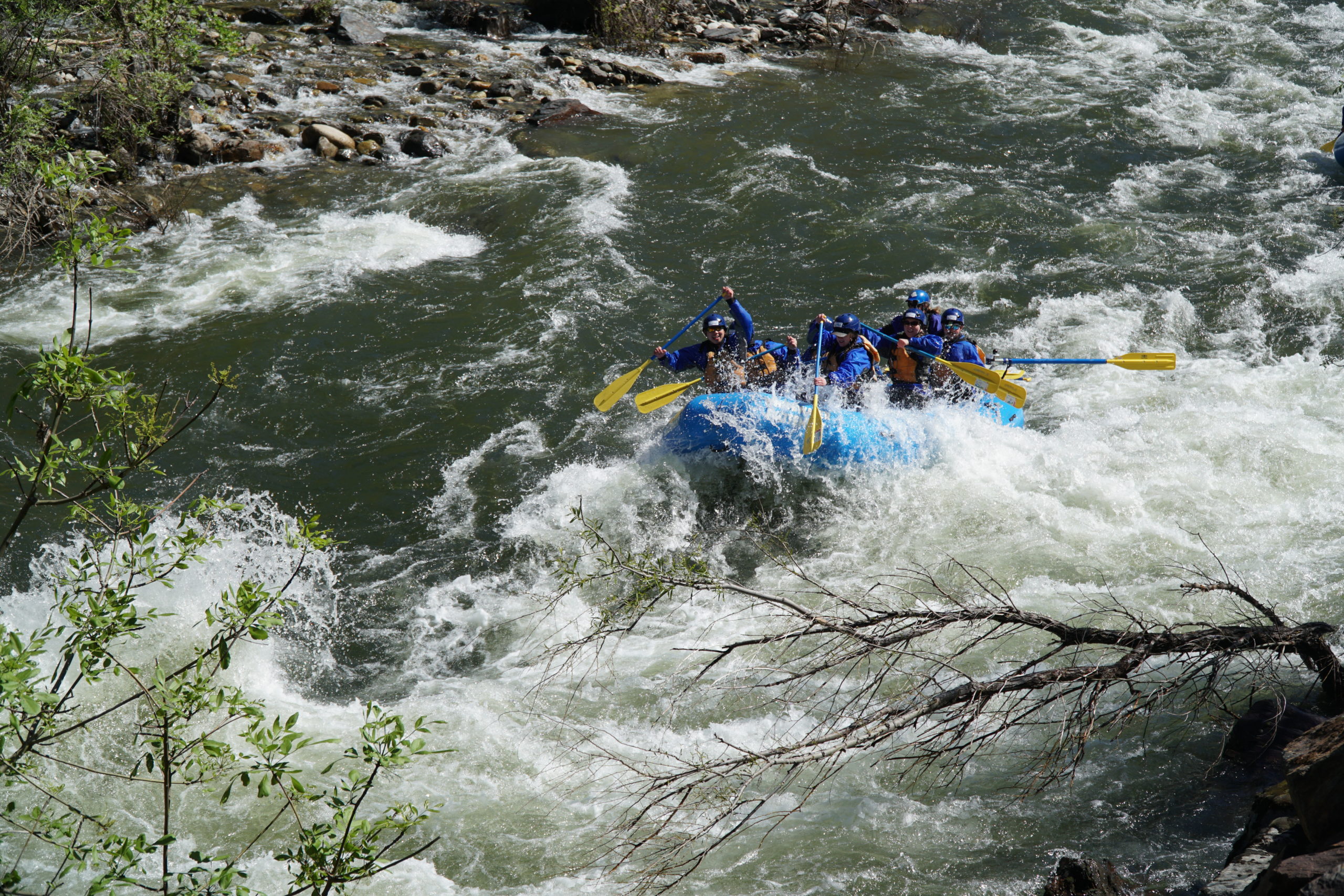
What To Expect When Class 4 White Water Rafting
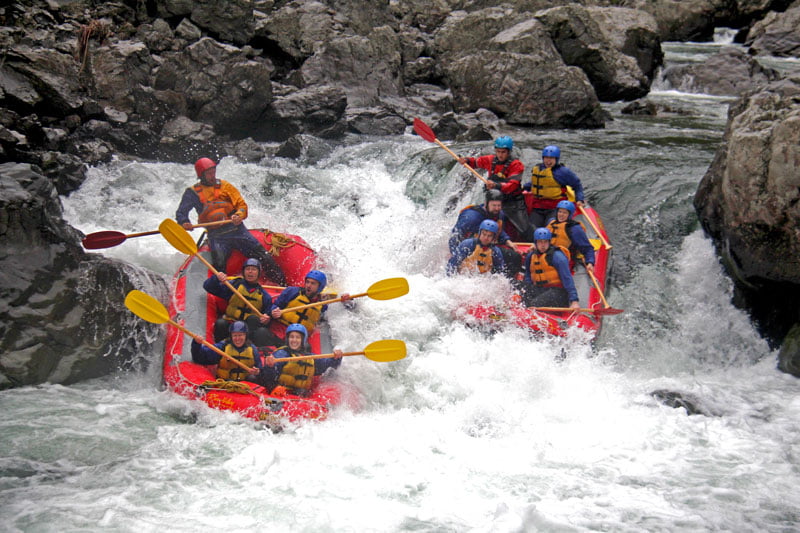
How Dangerous Is White Water Rafting River Valley Rafting
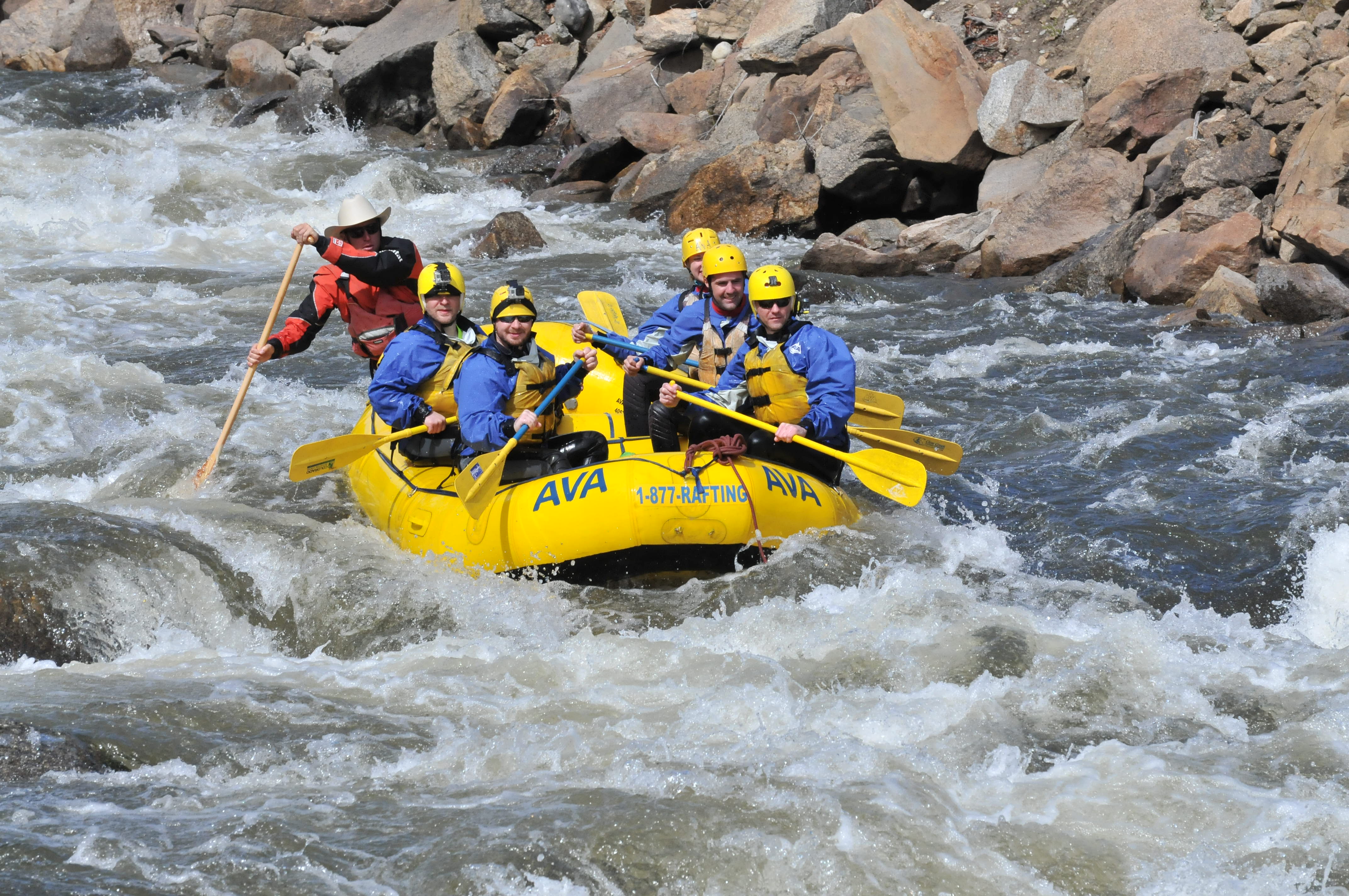
The Different Classes Of Rapids Explained
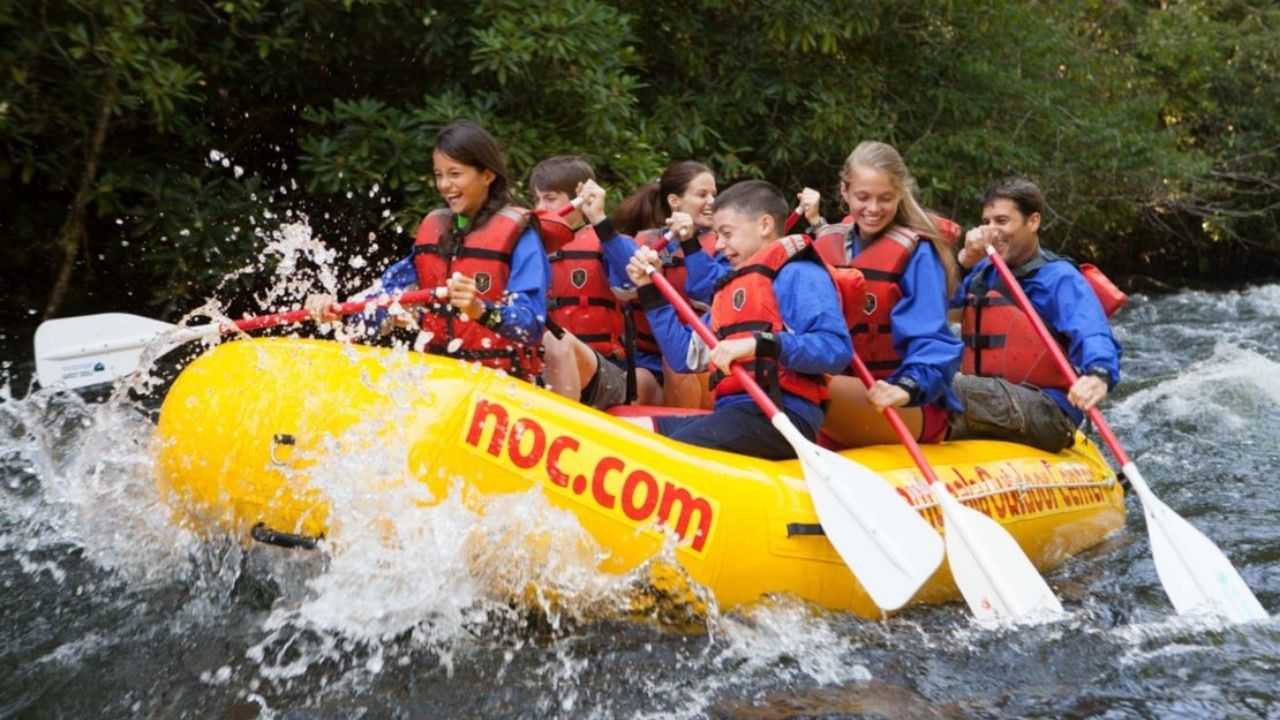
Top 10 Most Dangerous Whitewater Rafting Rapids Globally

The Most Dangerous Rapids In The World Slideshow The Active Times

Whitewater Rafting Classes Of Rapids Boring To Scary Paddle Camp The Best Kayaking Canoeing Stand Up Paddle Boarding Sup And River Rafting Resource
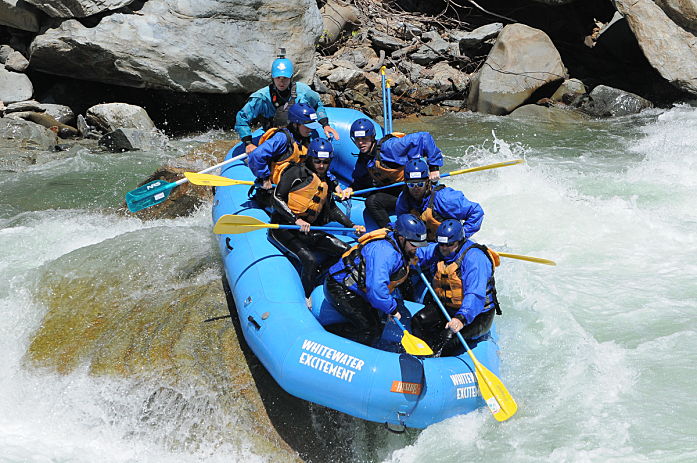
What To Expect When Class 4 White Water Rafting
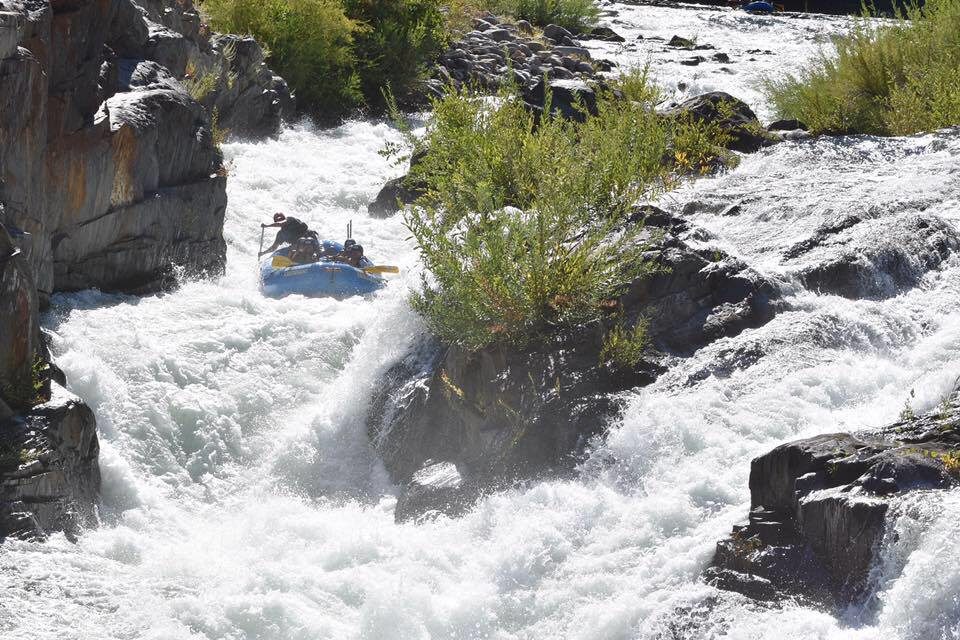
What To Expect When Class 4 White Water Rafting
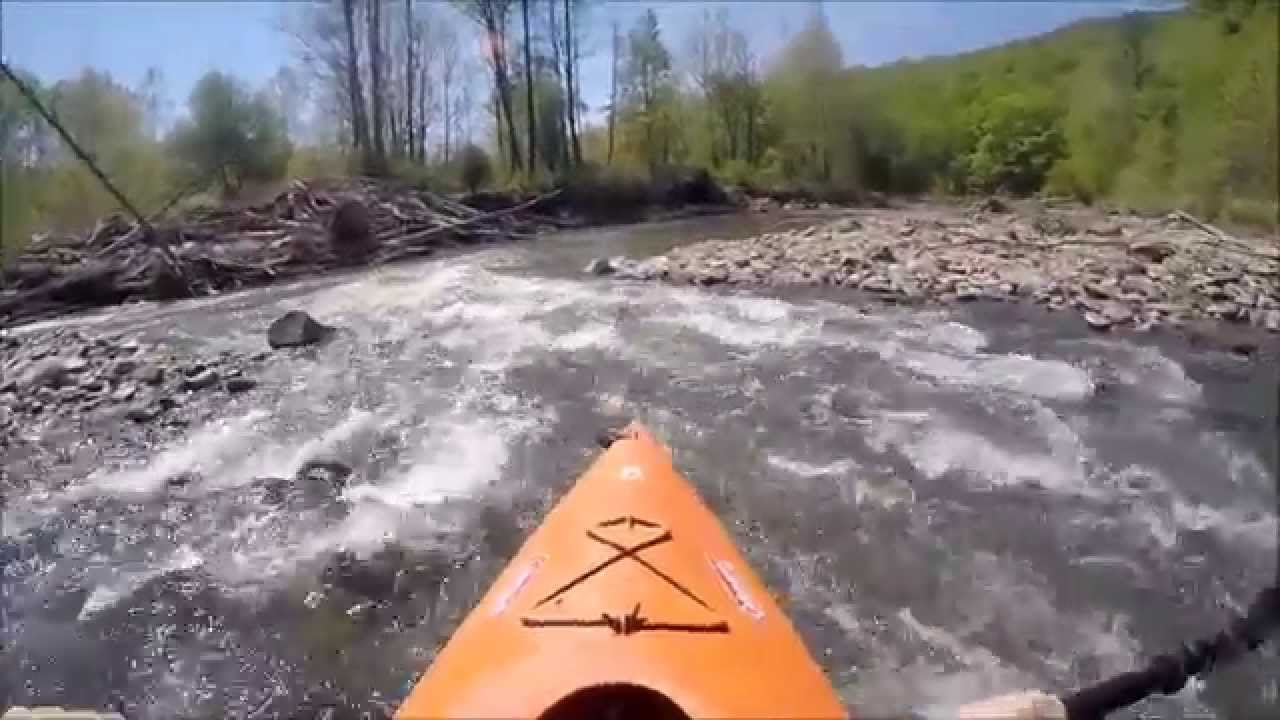
The Different Classes Of Rapids Explained
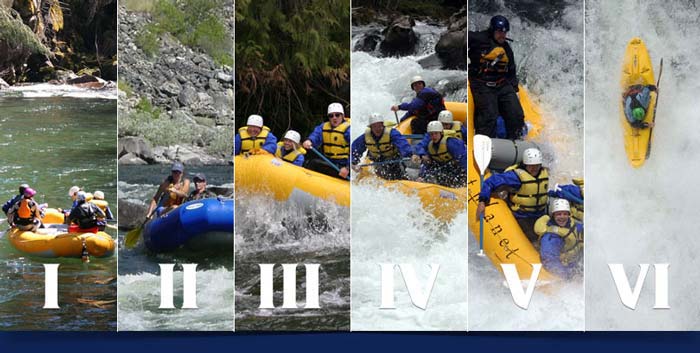
White Water Rafting Rapids Classes On Bali Rivers Rafting Adventure

The Different Classes Of Rapids Explained

9 Most Dangerous Whitewater Rapids In The World Slideshow The Active Times